A closer look at what makes a fitness trend
Contemporary exercise culture generates an ongoing sequence of named formats, specialized accessories, and performance claims. Many participants want to separate genuine structural innovations from promotional rebranding before committing time, budget, and energy.
This reference site examines how modern physical regimes function: what they demand mechanically, how they measure performance, where their boundaries sit, and why particular methods gain traction across communities.
- Evaluation of format structures over commercial lifestyle slogans
- Realistic assessment of training strain, skill floors, and time commitments
- Explanatory coverage of widely adopted frameworks and platforms
Separate the format from the promise
When an exercise trend captures widespread attention, marketing narratives frequently suggest that standard physiological principles have been superseded. In reality, modern fitness movements rarely invent novel muscular contractions or alternate cardiovascular pathways. Instead, they reorganize four fundamental elements: rules of progression, delivery channels, feedback mechanisms, and physical environments.
A hybrid race format, for instance, links endurance running intervals with standardized functional stations. The exercise is not mysterious, but the structure establishes a benchmark that differs from pure road running or isolated weight training. Similarly, high-frequency biometric sensors alter how individuals interpret exertion, translating physiological signals into quantified scores on a screen.
Evaluating an activity requires assessing whether its structure suits your individual lifestyle, physical starting point, and long-term joint health. Looking past branding terms helps participants distinguish whether a methodology provides clear utility or merely adds unnecessary friction to basic movement.
Four areas under examination
Our four core reference guides unpack the major sectors driving modern fitness discussion, providing neutral operational context on how each model works.

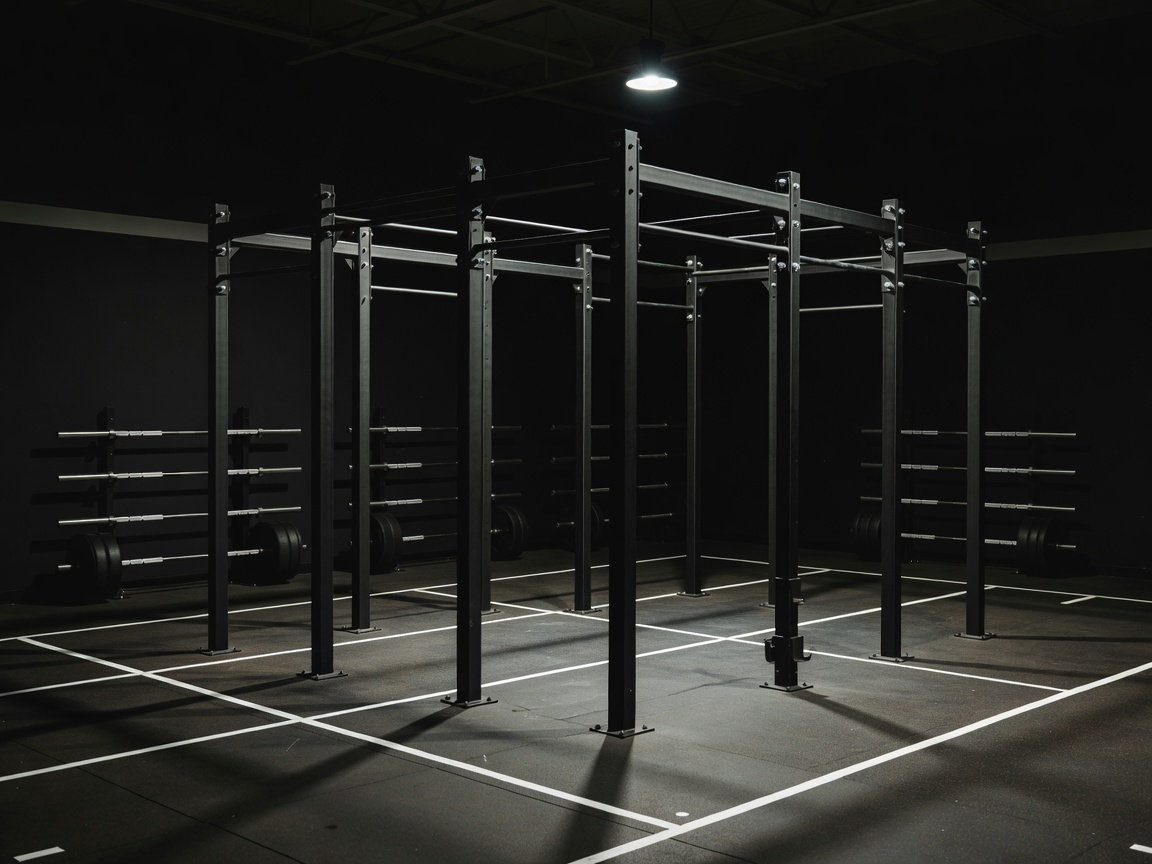
Hybrid Competitions
Examining standardized endurance and resistance events such as HYROX and CrossFit, contrasting their mechanical demands with single-discipline conditioning.
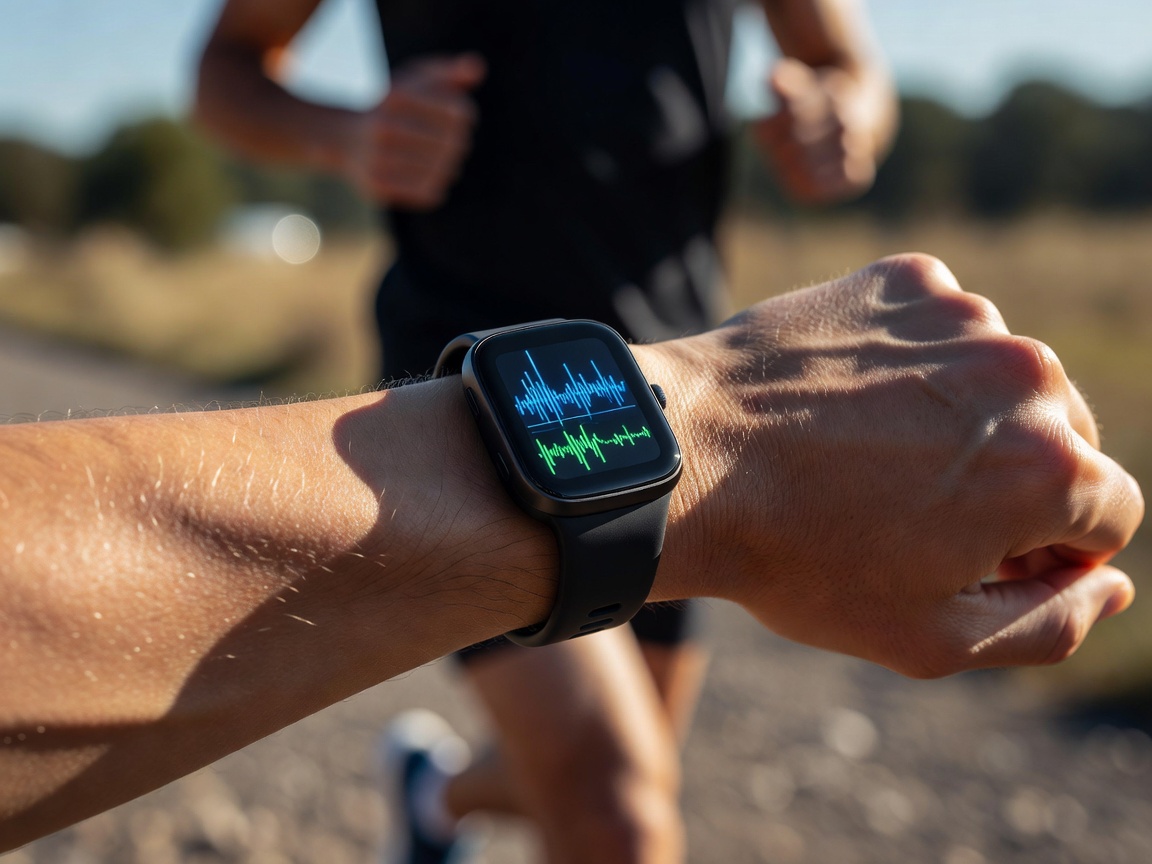
Wearable Analytics
How modern sensors from Apple Watch and Garmin estimate recovery, heart rate variability, and strain, alongside what algorithmic data can and cannot reveal.

Mobility & Joint Control
Analyzing functional movement systems, classic Pilates reformer work, and yoga routines to clarify what active range of motion truly achieves.
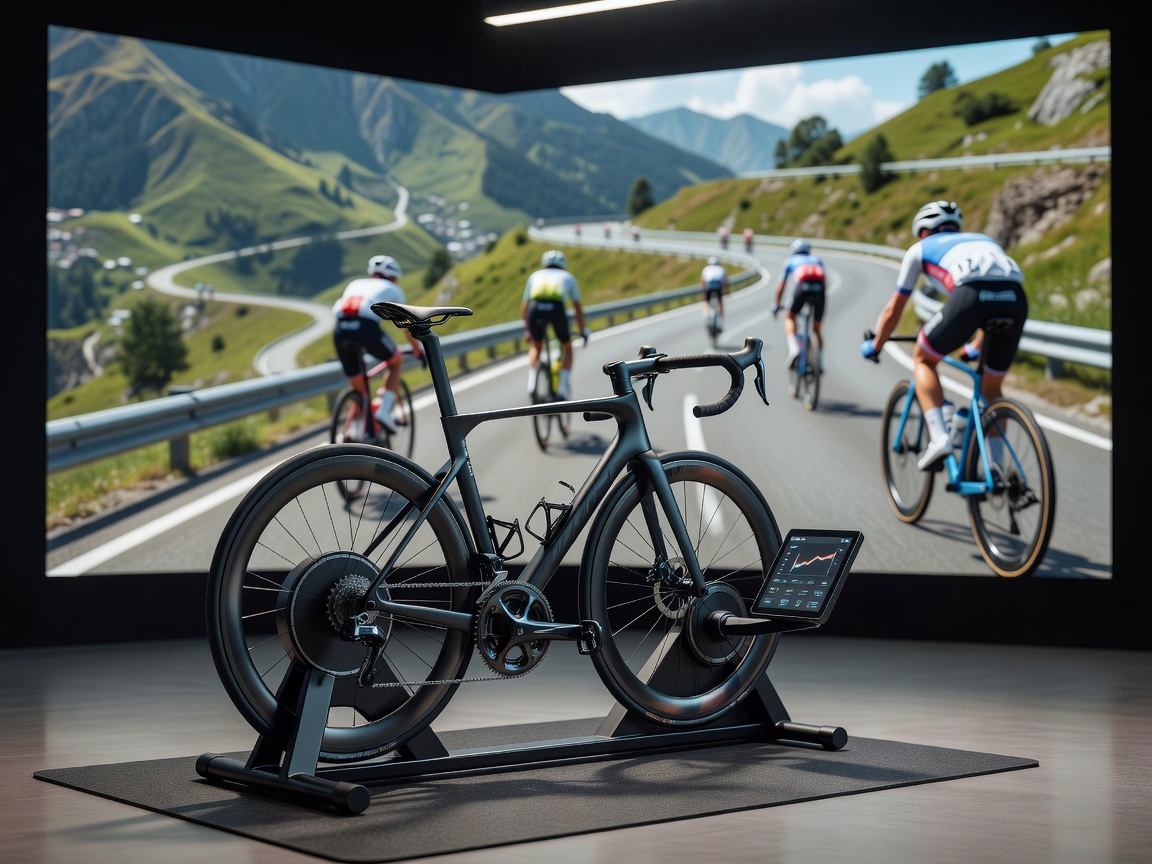
Connected Virtual Sport
Investigating interactive simulated environments like Zwift, exploring how gamification, avatar resistance, and online pelotons impact training consistency.
What readers often need clarified
A few questions surface repeatedly when evaluating fitness developments:
Does a hybrid format replace traditional strength and cardiovascular programming?
Hybrid training combines both qualities into unified sessions or targeted blocks. While it improves broad work capacity, specialists aiming for maximum absolute power or pure marathon speed often require dedicated, isolated training phases.
Can wearable recovery scores accurately dictate daily workout intensity?
Wearable devices compute recovery metrics through proprietary equations based on resting metrics. These serve as useful baseline trends over weeks, but subjective readiness, sleep quality, and musculoskeletal soreness remain vital indicators.
Is dedicated mobility training essential if one already lifts weights?
Full-range resistance training provides substantial flexibility adaptations on its own. Specific mobility drills offer focused end-range motor control and joint health maintenance, especially for restricted areas like hips and ankles.